If you’ve ever felt like your hormones are on a chaotic roller coaster—leading to painful PMS, stubborn hormonal acne, unpredictable moods, or irregular periods—you are not alone. It can feel frustrating and confusing. While the modern world often offers a “pill for every ill,” many women are now seeking gentler, more natural ways to support their bodies.
Enter seed cycling: a simple, food-based practice that has been a cornerstone of holistic nutrition for decades.
This isn’t a magic-bullet cure, but rather a gentle way to provide your body with the specific nutrients it needs during each phase of your menstrual cycle. In this guide, we’ll break down the what, why, and how of seed cycling in the simplest terms.
What is Seed Cycling?
At its core, seed cycling is the practice of eating four specific types of seeds—flax, pumpkin, sesame, and sunflower—at different times in your menstrual cycle.
The entire practice is built around the two main phases of your cycle:
- The Follicular Phase (From your period to ovulation)
- The Luteal Phase (From ovulation to your next period)
The goal is to use the unique nutritional profiles of these seeds (like phytoestrogens, zinc, vitamin E, and selenium) to gently support your body’s production and balance of estrogen and progesterone.
The Theory Behind It: How Seed Cycling Works for Hormones
Our menstrual cycle is a delicate dance between two primary hormones. Here’s how seed cycling is thought to support that dance:
- Phase 1: The Follicular Phase (Estrogen Dominant)
From Day 1 (the start of your period) until ovulation (around Day 14), your body needs to build up estrogen. Flax seeds contain phytoestrogens, which are plant compounds that can gently bind to estrogen receptors. This is thought to help modulate estrogen—either boosting it if it’s
too low or helping to excrete excess if it’s too high. Pumpkin seeds are rich in zinc, which is crucial for hormone production and follicle health. - Phase 2: The Luteal Phase (Progesterone Dominant)
After ovulation, your body shifts its focus to producing progesterone. This hormone is vital for maintaining the uterine lining. Sesame seeds and sunflower seeds are rich in selenium and vitamin E, both of which are powerful antioxidants that are believed to support progesterone production and overall hormonal health.
Disclaimer: It is crucial to note that while large-scale scientific studies on seed cycling itself are limited, the nutritional science behind the individual seeds and their components is well-documented. It is a very low-risk, high-nutrient practice.
How to Start Seed Cycling: A Step-by-Step Guide
This is the most important part! Here is your practical, step-by-step plan.
Step 1: Identify Your Two Cycle Phases
- Follicular Phase: Starts on Day 1 (the very first day of your period) and lasts until you ovulate (around Day 14).
- Luteal Phase: Starts right after ovulation (around Day 15) and lasts until your next period begins (around Day 28-30).
Step 2: The Follicular Phase Protocol (Day 1-14)
As soon as your period starts, begin taking:
- 1 tablespoon of GROUND flax seeds
- 1 tablespoon of GROUND pumpkin seeds
You must use ground seeds, especially for flax. Your body cannot break down whole flaxseeds to get the nutrients.
Step 3: The Luteal Phase Protocol (Day 15-28)
On or around Day 15 (or just after you think you’ve ovulated), switch to:
- 1 tablespoon of GROUND sesame seeds
- 1 tablespoon of GROUND sunflower seeds
Continue this blend every day until your next period begins, at which point you return to Step 2.
What If My Cycle is Irregular, or I Don’t Have One? (PCOS, Post-Pill, Perimenopause)
This is the most common question. If your cycle is irregular or absent, you can use the phases of the moon as your guide to create a 28-day rhythm.
- New Moon (Day 1): Start your Follicular Phase (flax + pumpkin).
- Full Moon (Day 15): Switch to your Luteal Phase (sesame + sunflower).
This allows your body to align with a natural rhythm, and many women find it helps regulate their cycles over time.
The Potential Benefits: What Can Seed Cycling Help With?
By supporting your hormones, you are supporting your entire system. This food-first approach is a foundational part of a larger wellness philosophy, as it tackles the root cause of many persistent skin and mood issues, rather than just masking the symptoms.
Achieving true radiance goes beyond just one habit. Seed cycling is a powerful tool in your kit, but it works best when combined with other nurturing rituals.
For a complete guide on building a lifestyle that supports this “lit-from-within” feeling, be sure to check out our article on how to ‘Unlock Your Inner Glow: 7 Holistic Beauty Practices for a More Radiant You’.
When you support your hormones with a consistent practice like seed cycling, potential benefits include:
- Easing PMS Symptoms: Such as breast tenderness, bloating, and cramps.
- Reducing Hormonal Acne: Especially the stubborn breakouts along the jawline and chin.
- Promoting Cycle Regularity: Can be very supportive for women with irregular cycles, PCOS, or those coming off hormonal birth control.
- Supporting Perimenopause: May help ease symptoms of fluctuating hormones, like hot flashes.
5 Easy Ways to Eat Your Seeds (Practical Tips)
This practice only works if you do it consistently! Here’s how to make it easy.
- Blend into a Smoothie: This is the easiest way. You won’t even taste them.
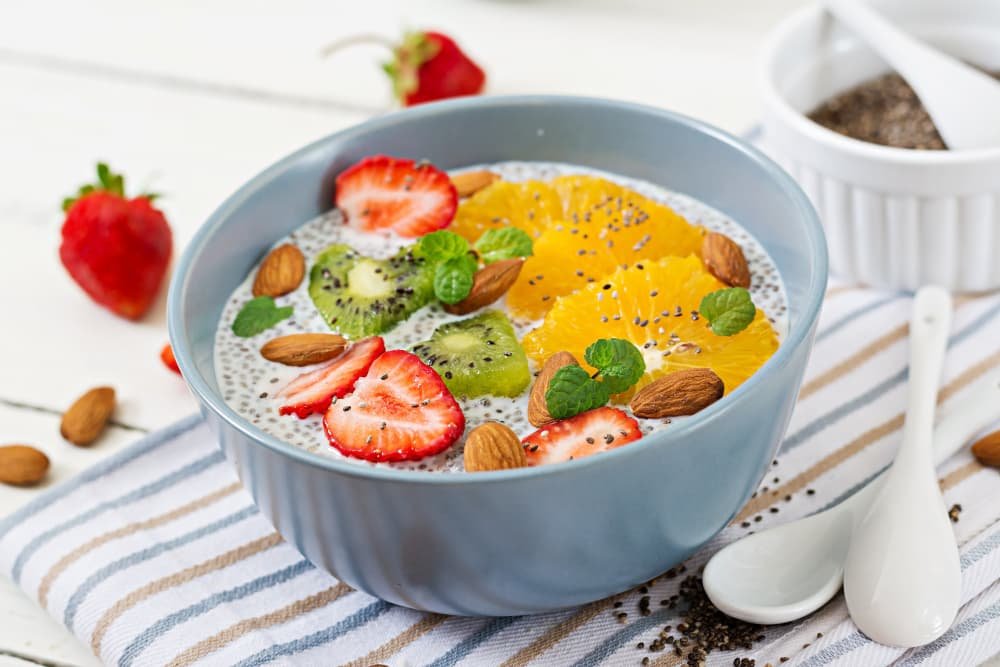
- Stir into Yogurt or Oatmeal: Mix them right into your breakfast bowl.
- Sprinkle on Salads: Add a nutritious crunch to your lunch.
- Mix into “Energy Balls”: Combine with dates, oats, and a little nut butter.
- Stir into Avocado Toast or Soups.
Pro Tip: Ground seeds (especially flax and sunflower) can go rancid quickly. Pre-grind your seeds in a coffee grinder and store them in an airtight container in the fridge or freezer to keep them fresh.
Frequently Asked Questions (FAQ)
How long does it take for seed cycling to work?
Be patient. Hormones take time to shift. You should commit to at least 3 to 4 full cycles (3-4 months) to notice significant, lasting changes.
Should I use raw, roasted, or sprouted seeds?
Raw and ground is always best to protect the delicate oils. If you must, lightly toasted is okay, but avoid heavily roasted or salted seeds.
Can I seed cycle if I am on hormonal birth control?
It won’t hurt you—it’s just nutritious food. However, the pill synthetically controls your hormones, so the seeds won’t be able to “balance” them in the same way. It is most effective for natural cycles or for supporting your body after you stop the pill.
The Bottom Line: Is Seed Cycling Worth Trying?
Seed cycling is not a magic, overnight cure. It is, however, a powerful, safe, and inexpensive way to support your body with food-based nutrients.
It encourages you to become more in-tune with your own cycle and is, at its heart, a beautiful and consistent act of self-care. It’s a simple promise to your body: “I am listening, and I am here to support you.”